
Insulation Batts vs. Rolls: What’s Better?
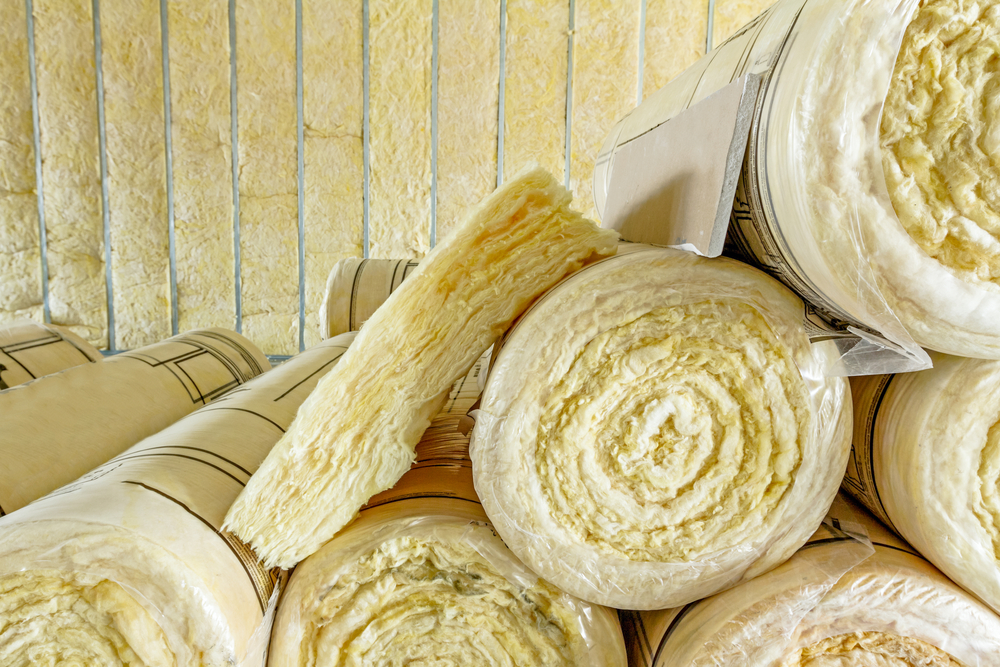
As an owner-builder or contractor, you’ll know that insulation batts and rolls are often used as interchangeable terms. But did you know that they are actually very different products? In fact, knowing whether to choose insulation rolls or batts can be the difference between a well-insulated home on a budget, and overspending for poorer insulation coverage.
In the experience of our customers, one type of insulation in particular consistently outperforms the other, producing fantastic results at a fraction of the cost. In today’s post, we are exploring the major differences between insulation batts and rolls, as well as answering your question, “Which one is right for my project?”
Blanket insulation
The first thing that we like to help our customers understand is that both insulation rolls and batts are collectively known as ‘blanket insulation’. This is due to their fluffy, blanket-like appearance, and also because of the fact that they cover areas in a blanket-like manner. The fact that both batts and rolls are known under this term is what causes many people to refer to both types interchangeably. While they are typically made from the same fibres, it is the shape that differentiates these two types of insulation.
Insulation rolls
The main difference between rolls and batts is the fact that insulation rolls are typically greater in length, meaning they are delivered as ‘rolls’ rather than flat pieces of insulation. This can present a few challenges when it comes to installation – particularly for residential projects.
Residential properties are often constructed with very specific studs and trusses that are difficult to navigate around with one long piece of rolled insulation. Often, the installer will need to spend time carefully cutting the insulation roll in order for it to fit perfectly into the desired space.
Not only is this a timely process that can be inefficient for the progress of the project, but it is also a risky one. Cutting the insulation is an operation that requires a high level of precision since it is quite easy to cut away too much. In the event that too much insulation is removed, this can render your insulation virtually useless. The small gaps left in between will allow heat to enter and escape the property with ease, which conclusively defeats the purpose of insulation altogether.
Insulation batts
Batts are pre-cut panelled sections of insulation that are typically made from glasswool or polyester. They are typically very affordable and simple to install