
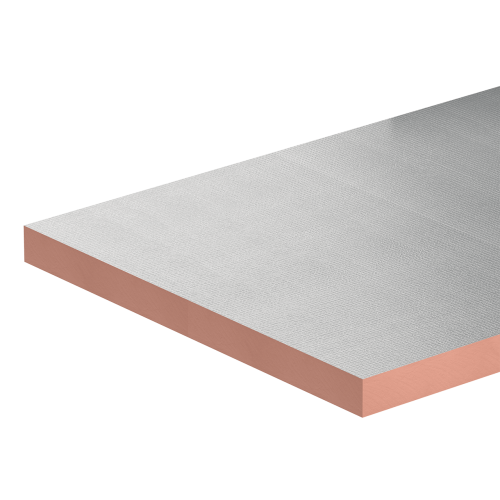
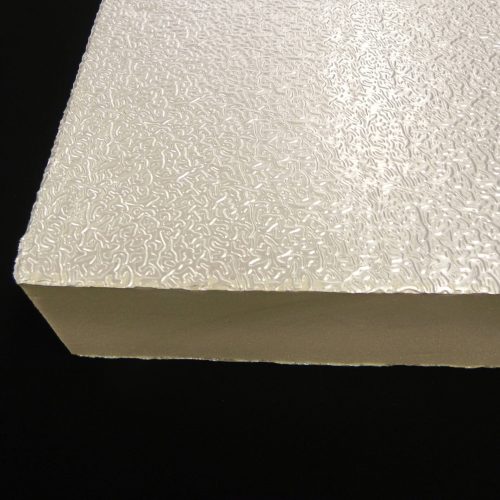
What soffit insulation does and why it matters
Soffit insulation plays a key role in controlling heat transfer, condensation, and noise in both residential and commercial buildings. Installed beneath floors, eaves, balconies, and overhangs, soffit insulation helps reduce heat loss in winter and heat gain in summer, improving comfort in the rooms above while supporting overall energy efficiency. It’s commonly used where exposed undersides would otherwise allow thermal bridging or moisture issues to develop.
Unlike standard ceiling insulation, soffit applications often require rigid or semi-rigid boards that can be mechanically fixed and left exposed. This means durability, moisture resistance, and consistent thermal performance are just as important as R-value. At Insulation Essentials, we regularly help customers select soffit-appropriate insulation that performs reliably in external or semi-exposed environments.
Soffit insulation is also widely used for acoustic control, particularly in apartments, townhouses, and mixed-use developments where sound transfer between levels needs to be minimised. When correctly specified, it contributes to both thermal comfort and a quieter living or working space.
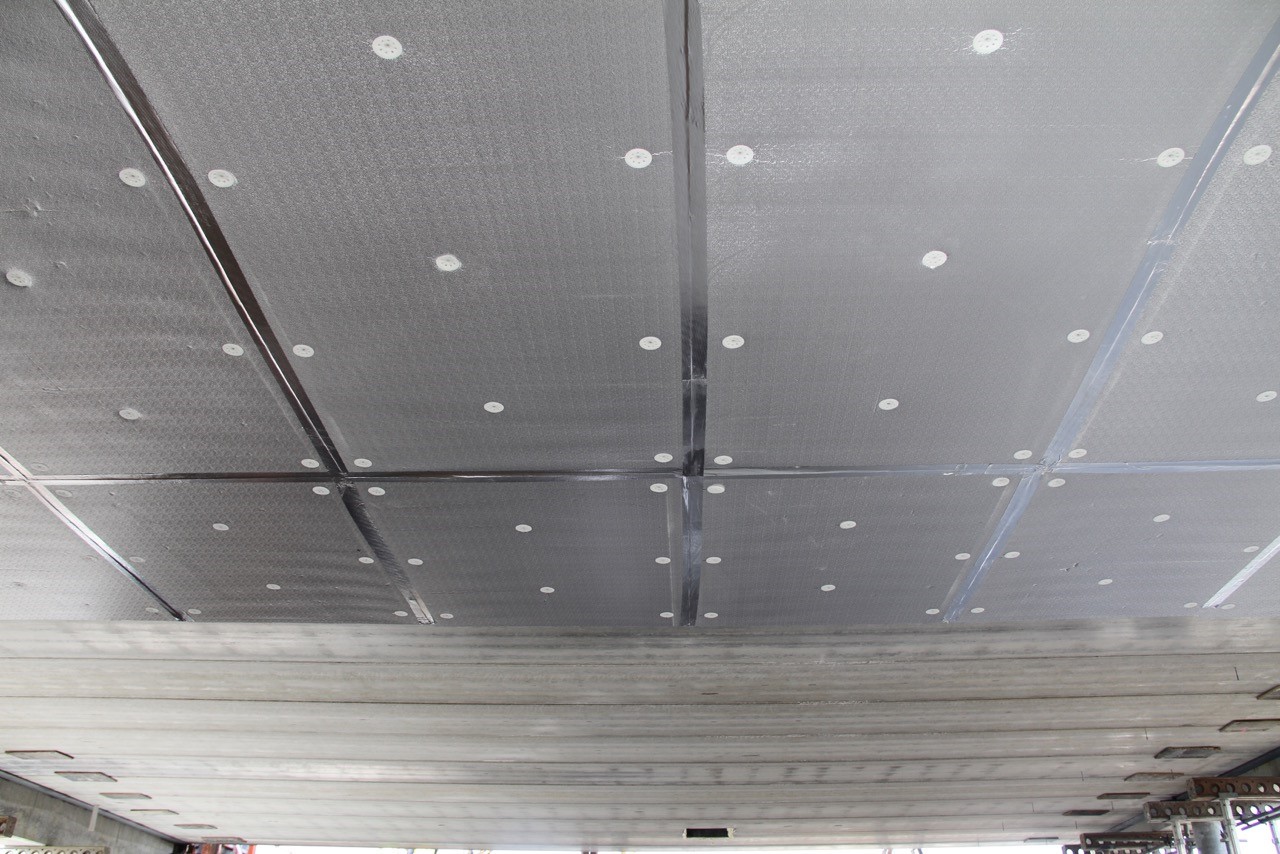
Where soffit insulation is commonly used
Soffit insulation is used across a wide range of applications, including under suspended floors, balcony undersides, carports, alfresco areas, eaves, and commercial walkways. In residential construction, it’s often installed beneath upper floors or overhangs to improve comfort in living areas below. In apartments and townhouses, soffit insulation helps meet both thermal and acoustic performance requirements between levels.
Commercial and industrial projects frequently use soffit insulation in car parks, loading docks, and plant areas, where insulation must be robust, moisture resistant, and able to maintain performance over time. Because these areas are often exposed to airflow and temperature fluctuations, selecting the right product is essential.
For renovations and upgrades, soffit insulation provides a practical way to improve building performance without major internal works. We regularly supply soffit insulation solutions for retrofit projects throughout Melbourne and regional Victoria, helping builders and property owners match insulation type, thickness, and fixing method to the structure they’re working with.
Installation & choosing the right product
Soffit insulation must be selected with fixing method, exposure conditions, and compliance requirements in mind. Many soffit systems require insulation that can be mechanically fixed, resist moisture, and maintain its shape over time. Fire performance and NCC compliance are also important considerations, particularly in multi-residential and commercial buildings.
While some soffit insulation products can be installed by experienced trades, professional installation is often recommended to ensure correct fixing, joint sealing, and long-term performance. Poorly installed soffit insulation can lead to sagging, moisture issues, or reduced effectiveness.
When installed correctly, soffit insulation delivers long-term performance without settling or degradation. Whether you’re working on a new build, a multi-storey development, or a retrofit project, our team can help you select a soffit insulation solution that meets performance requirements and suits your budget, timeline, and application.