
All About Glasswool Insulation
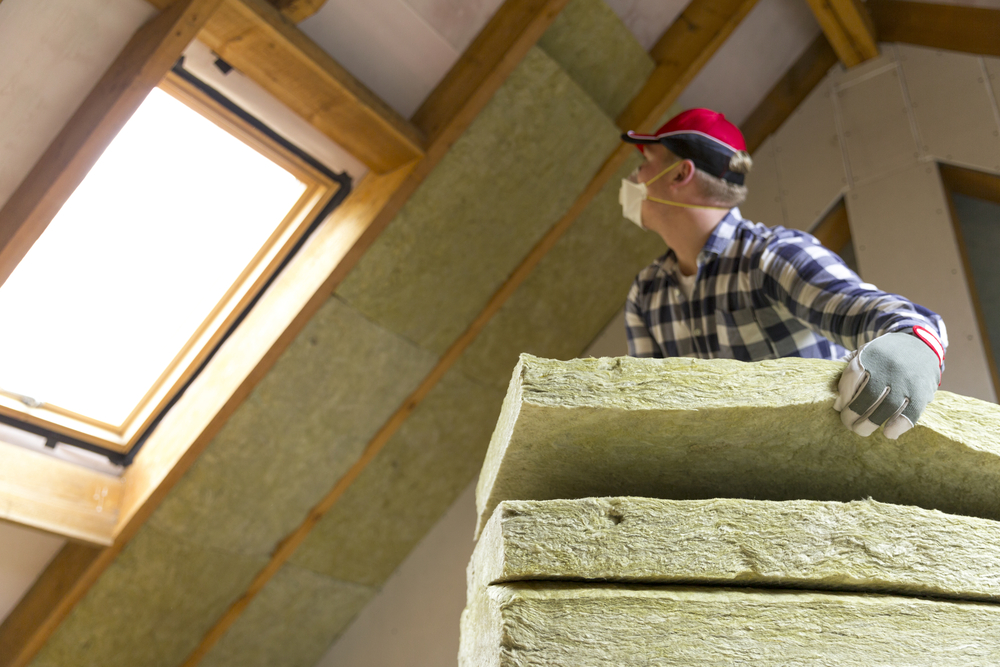
In a recent blog, we had a look at the various types of insulation materials you can use in your home and their strengths and weaknesses. Today, we’ll be exploring in detail what is widely regarded as one of the more popular types of insulation: glasswool.
Glasswool insulation is recommended by wholesale insulation specialists for its high effectiveness when it comes to trapping heat. Here are a few reasons why it’s so good at what it does as well as some more information on what exactly it is.
How is it made?
Glasswool is created using recycled glass, sand and limestone. Here are the steps on how this particular type of insulation is created:
- First, the glass, sand and limestone are put into a furnace for melting at a controlled temperature. Once it is molten, it passes through a channel into a cylindrical container with small holes.
- The container spins rapidly and the molten glass flows out of the holes horizontally where they are blasted with air or hot gas, turning them into fibres.
- The fibres then fall onto a conveyor belt below where they form a fleecy coat by interlacing with each other. This fleecy coat can then be used for insulation.
- Alternatively, the wool can be sprayed with a binding agent and then cured in an oven to create flexible batts.
What makes glasswool so effective?
Glasswool is primarily used for acoustical and thermal purposes and is placed in wall cavities. The millions of tiny glasswool fibres trap air, restricting airflow and making it harder for the heat to pass through it. This is cost efficient as well, as its thermal properties can cut utility costs on things such as heating and air-conditioning.
Glasswool is a very flexible type of insulation as well and can come in batts and rolls. If a particular area of the house is more vulnerable and more likely to be exposed to thermal changes than the rest, then you can install greater amounts in those sections. Glasswool is also a non-combustible material which is a great perk to have for something that is housed in your ceiling and walls.
Glasswool R-values
The R-value is the rating system used to determine how effective a type of insulation is. As a rule of thumb, the higher the rating, the more effective the insulation is. The thickness of the insulation material – for example – will affect the R-value in a positive way.
The three types of R-values are:
- Up R-value – This rates the effectiveness of insulation when it comes to keeping heat inside the house. This is important for the winter season and colder days.
- Down R-value – The opposite of the “up” R-value, this rating gauges the effectiveness of insulation for keeping heat out of the house, which is crucial for summer.
- Total R-value – The total R-value combines the other two together for the overall rating. This is