
Constructing An Energy Efficient Home: 4 Areas To Consider
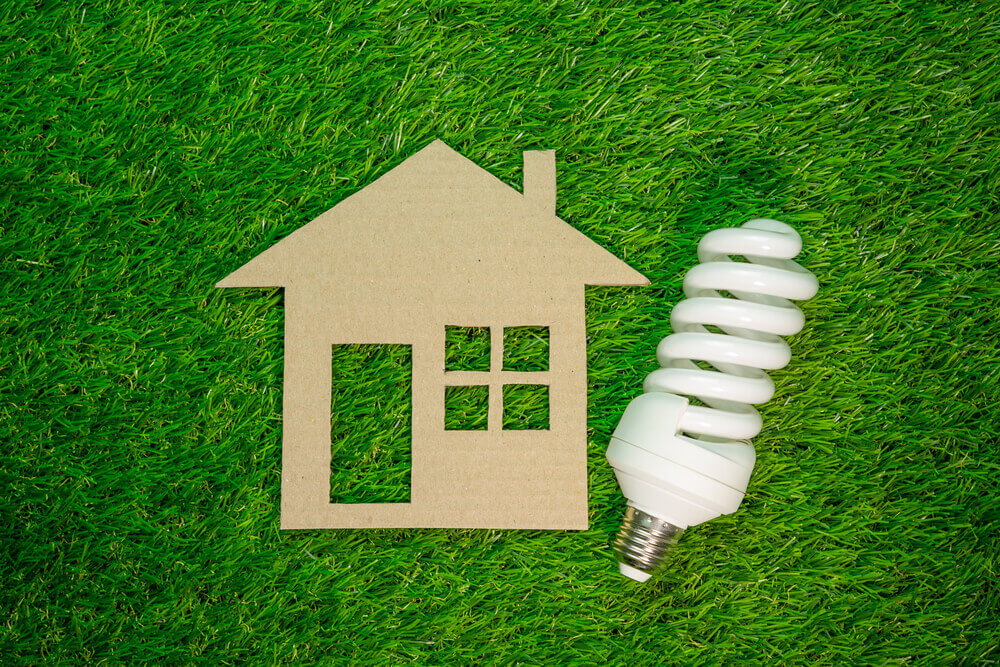
Whether you’re constructing a new home or looking to update your old one, glasswool insulation will play a massive part in the process. Insulation will keep the heat in during the colder seasons and keep your house cool in the warmer ones. It will also stop wind draughts from entering your house. But picking the perfect components to craft the most energy efficient home is not just about the insulation. The type of material your house is constructed from plays a big part in its energy efficiency as well – we’re explaining why in today’s blog.
1. Lightweight framing
Lightweight framed construction is a very common system that is used in Australia. It combines both timber and steel to construct a comfortable and energy efficient home. If the timber is sourced from a sustainable place then it will absorb carbon from the surrounding atmosphere and store it, extending and strengthening the life of the timber. Timber is – for the most part – sustainably manufactured and sourced, and also minimises thermal bridging.
Steel framing is 100% recyclable and around 40% of the steel used when building housing frames is recyclable. Whilst steel framing is not considered to be as energy efficient as timber, it does have its own perks such as its recyclability and the fact it’s non-toxic. It’s also flexible and has a low waste rate.
2. The double-brick home
Double-brick homes are a popular and solid style of homes. They are built with double-brick walls, timber windows and framed floors. The two layers of bricks have an air gap between them. The best way to take full advantage of a double-brick home is to draught-proof it. This will ensure that no uncontrolled draughts enter or exit the home, helping to regulate the temperature at a comfortable level. Draught-proofing can be done by a professional or by yourself if you’re able to identify where the draught is coming from.
Another feature of double-brick homes is that they have thermal-mass properties. This means that they will absorb heat from the sun, storing it in the bricks and then releasing it inside your home. This can be great for winter and colder days but may not be what you’re looking for on hotter days. However, because the heat is released at a slow rate, it is really only a problem when the days are continuously very