
Mouldy Insulation And The Issue Of Moisture
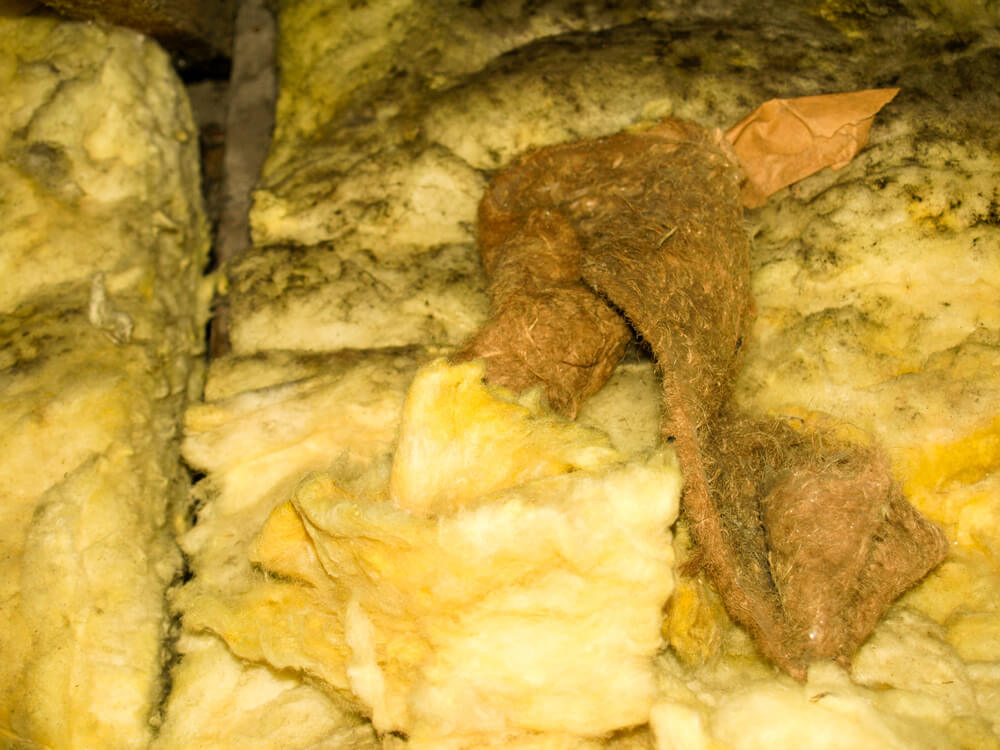
Insulation is a vital addition to a house and holds many practical features. But, for all its impressive qualities, it is unfortunately not immune to external factors, such as moisture and mould growth. It is not impossible for mould to grow on insulation batts, and it can be quite tricky to eradicate and stop from spreading once it has formed. However, all hope is not lost. We’re going to explain to you why you may have mould growing on your insulation and what you can do to combat it effectively.
What causes mould?
High humidity, condensation and water leaks are all the primary causes of mould. If there is a leak in your ceiling, water could get into your insulation when it rains – which isn’t great. If your insulation gets wet, then it will eventually grow mould. High humidity – or drastic changes in the air temperature – can also result in mould growth, thanks to the wet air. This is a larger issue for areas that experience constant humid weather for a number of consecutive days.
What are the dangers of mould and wet insulation?
Mould spores can cause allergies. Whilst this may not seem as serious at first, constant exposure to a home with mouldy insulation will result in more regular allergic reactions, some of which may include:
- Coughing;
- Runny nose;
- Irritated throat;
- Cold and flu symptoms;
- Hay fever symptoms;
- Rashes and hives;
- Bloodshot or irritated eyes; and
- Sinus issues.
The degree of the reaction will obviously become worse the longer people are exposed to them. Wet insulation batts will also not perform nearly as adequately as dry ones, either. This will drive down the overall thermal value of your property and you will notice the difference. Mould will also cause irreversible damage to your insulation and you may need to have them replaced entirely depending on the degree of the damage.
Reading the signs
If you think your insulation may be growing mould, then it is vital that you inspect it as soon as possible. Visible signs (such as darkened areas or black spots) are easy to identify. If you don’t find any obvious signs visually, but can perhaps smell a musty scent, then you may need to continue your investigation. An insulation expert can help you identify whether or not your insulation has been compromised.