
From Mud To Glasswool: The Evolution Of Insulation
As trusted suppliers of insulation batts in Melbourne, we know all about modern insulation materials like glasswool. However, glasswool wasn’t always an option for homeowners throughout history, and so the question arises: what did they use instead? In this blog, we’re exploring the development of insulation throughout key historical periods, from its creation to the products we know and use today.
The Prehistoric Period
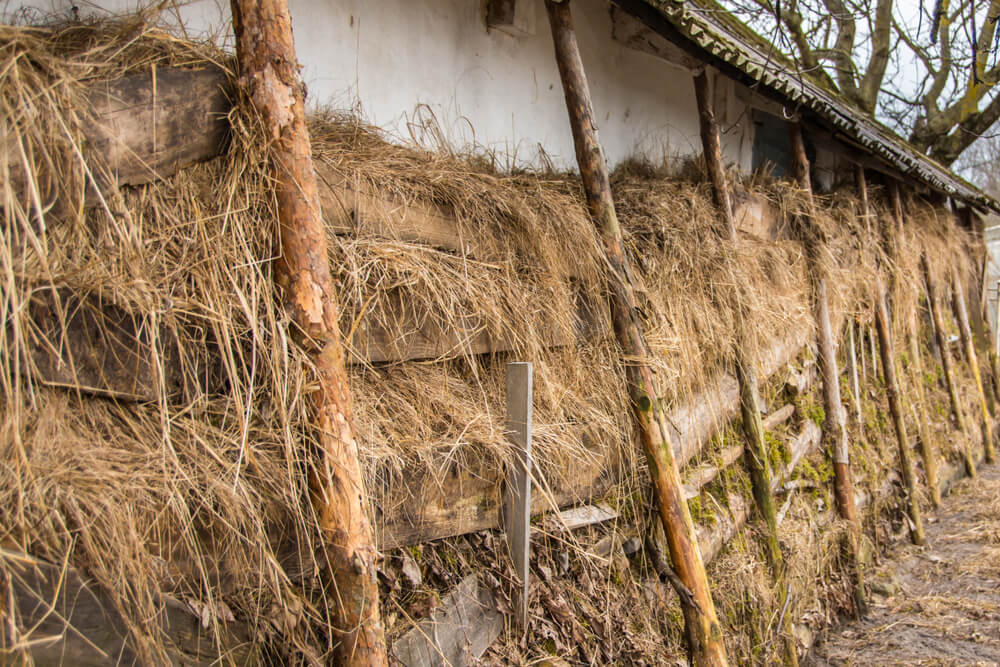
Insulation has been around for as long as people have been building homes. But in the Prehistoric times, insulation had to be made out of what was readily available. This usually meant layering materials like mud, straw and animal fur. Although these materials degraded quickly and were not long-term solutions, they helped to keep the cold wind out of peoples’ homes, since they helped to close the gaps between logs and other building materials.
Ancient Egypt
Ancient Egyptians also used mud as a form of home insulation. But the key difference between that separates them from Prehistoric times is the fact that the Egyptians used the mud to create bricks. These bricks were large, thick and resembled stone – even though they were made of mud. This is what the Egyptians built their homes with. The mud bricks acted as a two-in-one: they simultaneously formed structures while holding insulative properties.
Ancient Greece
The ancient Greeks constructed their homes with cavity walls to help provide insulation. These double-walled homes contained a cavity between the inside wall and the outside wall, creating a barrier that stabilised the inside temperatures. Some sources also report that the ancient Greeks used asbestos as a form of insulation, due to the fact that it was inextinguishable and heat resistant.
Ancient Romans
When it came to using cork as insulation, the Romans had their system down pat. In fact, they helped revolutionise pipe insulation using cork. By wrapping cork around the pipes, they were able to keep the temperature of hot water steady as it travelled through the intricate pipe systems. They also used cork to insulate ice houses, and they even used it to create shoes that would keep their feet warm!
The Middle Ages
Throughout the Middle Ages, ho