
Showing 25–25 of 25 results

Vapout House Wrap
House wrap plays a huge role in protecting your home, even though it’s mostly hidden once construction is complete. At its core, house wrap is a durable, breathable membrane that sits behind your external cladding to shield your wall assembly from wind, rain and moisture, while still allowing water vapour to escape. Blocking the bad while letting the good pass through is what keeps your walls dry, prevents condensation build-up and supports a healthier indoor environment. It’s different from foil insulation or sarking because its main job isn’t thermal performance; it’s moisture control, weather protection and improving the overall airtightness of the building envelope.
At Insulation Essentials, we work with both owner builders and industry professionals every day, so we see how important it is to choose a house wrap that suits Australian construction and climate conditions. Customers can be confident that the product meets strict performance and durability standards. Whether you’re wrapping new timber framing, upgrading an older home or working on a commercial project, a high-quality wrap is essential for long-term protection, especially in Melbourne, where weather can shift from dry heat to wind and rain in the same week.
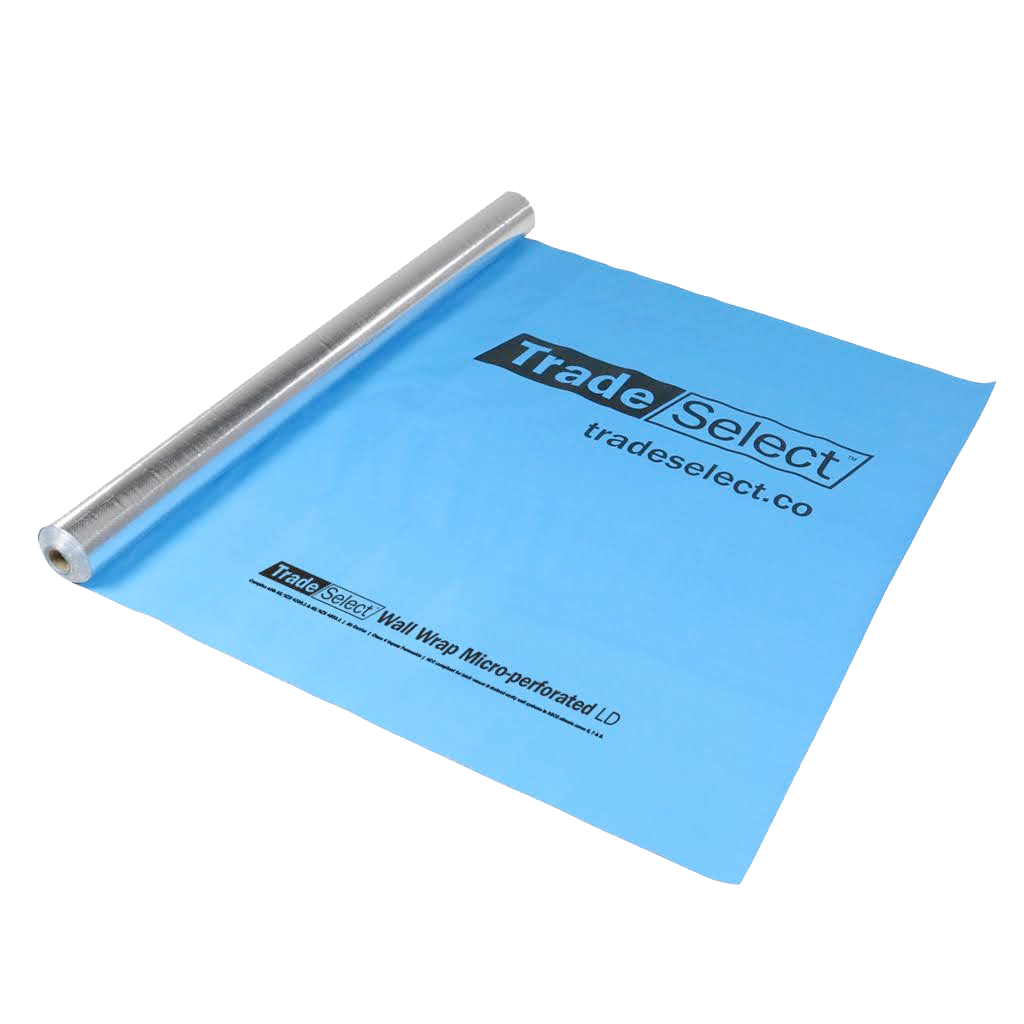
Vapout House Wrap Performance & Energy Efficiency
A good house wrap does far more than just stop rain from getting into your wall cavity. It plays a major role in the long-term health and performance of the entire building. By creating a protective barrier around the frame, house wrap helps reduce drafts, prevents wind-driven rain from entering the wall system, and supports far better moisture management. This is especially important in Melbourne, where varying humidity and sudden weather changes can lead to condensation build-up behind cladding if the wall assembly isn’t properly protected. A high-quality, vapour-permeable wrap allows trapped moisture to escape while keeping external water out, helping prevent mould, rot and structural damage.
You’ll also notice the difference in indoor comfort. When the building envelope is wrapped correctly, the home becomes more airtight, meaning your heating and cooling systems don’t have to work nearly as hard. While house wrap isn’t insulation itself, it works hand-in-hand with insulation batts to reduce unwanted air movement and support better energy efficiency overall. Many customers tell us their homes feel less “drafty” after installation.
Vapout House Wrap Installation
Installing house wrap doesn’t need to be complicated, but getting the details right is essential for proper performance. It should always be installed before insulation and cladding, creating a continuous protective layer around the wall framing. The wrap must be tensioned correctly, overlaps need to be sealed thoroughly, and penetration points must be taped with high-quality non-stretch tape. These steps ensure the building remains breathable while still blocking water and wind from entering. At Insulation Essentials, we stock the full toolkit, from hammer tackers and staples to specialised wrapping tapes, so builders and DIY renovators have everything they need in one place.
One of the most common issues we see on-site is house wrap installed loosely or without sealed overlaps, which compromises both moisture control and air-tightness. Another mistake is choosing a wrap that isn’t suited to local conditions or doesn’t carry reputable accreditation.